October 13, 2026
Maintaining a motor vehicle requires consistent attention to mechanical wear, seasonal weather demands, and routine hardware maintenance. Navigating unexpected mechanical failures can feel daunting, but understanding frequent vehicular issues helps vehicle owners prepare for standard maintenance costs effectively. According to Sharp Sheets, over 75% of Americans use an auto repair service at least once per year. From routine brake friction replacements to complex electrical diagnostics, vehicles experience predictable physical strain over their operational lifespans. Partnering with a reliable auto repair shop ensures that minor mechanical symptoms are resolved before causing major engine breakdowns. Recognizing common vehicular fixes empowers commuters to protect their daily transportation investment safely.
Replacing Worn Brake Pads and Rotor Assembly Components
Friction linings inside automotive braking systems wear down naturally every time a driver presses the brake pedal to slow down. Neglecting squeaking or grinding noises often allows bare metal backing plates to score smooth rotor surfaces, drastically increasing overall stopping distances on roadways. Bringing your vehicle into a certified auto repair shop ensures that worn pads, warped rotors, and leaking calipers are addressed using high-grade replacement hardware. Fresh braking components restore firm pedal feel, eliminate high-pitched squeals, and prevent dangerous mechanical failure during sudden highway stops, ensuring complete vehicle control and driving safety across all seasonal road conditions for every commuter.
Testing Battery Performance and Electrical System Charging Mechanics
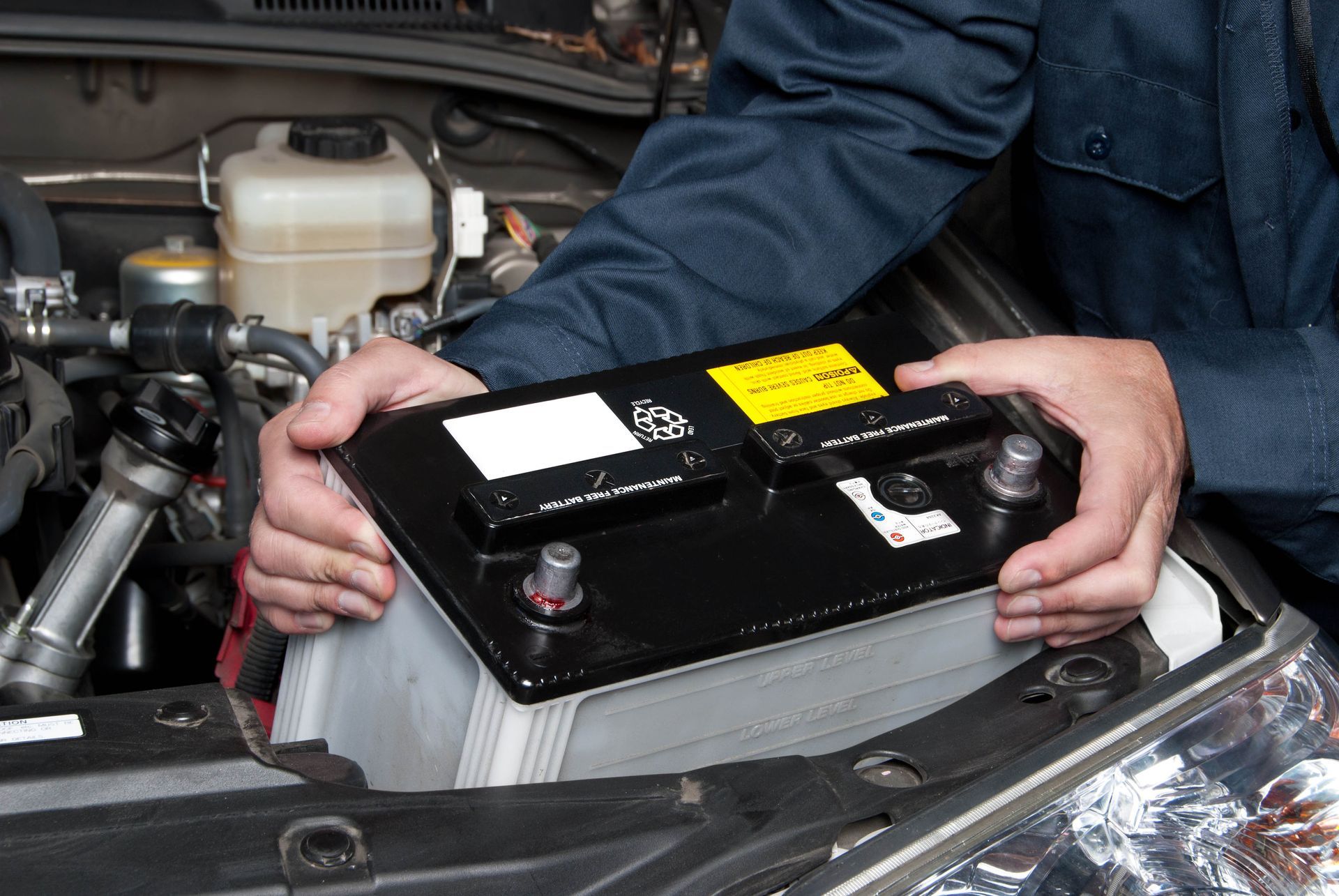
Extreme winter cold and intense summer heat accelerate chemical degradation inside automotive batteries, causing sudden starting failures without warning. Modern vehicles rely on steady electrical output to power complex computer modules, digital dashboards, advanced safety sensors, and bright LED headlights continuously. Visiting a professional auto repair shop allows experienced technicians to test battery reserve capacity, inspect alternator output, and clean corroded terminal posts thoroughly. Replacing aging batteries proactively prevents unexpected breakdowns in isolated parking lots or during cold morning commutes. Proper electrical system care preserves delicate electronic components, ensuring smooth engine cranking and reliable vehicle starting performance through every change in weather.
Fixing Oxygen Sensors and Exhaust System Hardware Defects
Failing oxygen sensors rank among the most frequent causes of dashboard check engine light illuminations in modern passenger automobiles. Faulty sensors send incorrect fuel mixture data to the central engine control module, causing excessive gasoline consumption and premature catalytic converter degradation. Scheduling an immediate diagnostic scan at a local auto repair shop pinpoints sensor failures before fuel ruins expensive exhaust system components permanently. Installing fresh factory-grade sensors optimizes air-to-fuel ratios, reduces harmful tailpipe emissions, and restores peak engine performance effortlessly. Timely sensor replacements can help vehicle owners save money at fuel pumps while keeping exhaust systems operating cleanly.
Swapping Aged Spark Plugs to Preserve Engine Firing Efficiency
Spark plugs ignite compressed fuel mixtures inside engine cylinders thousands of times every minute to generate essential driving power. Over tens of thousands of driving miles, electrode tips erode naturally, causing subtle engine misfires, rough idling, and sluggish acceleration during passing maneuvers. Taking your car to an established auto repair shop ensures that worn plugs, degraded ignition coils, and hardened spark plug wires are systematically replaced. Fresh ignition components restore smooth engine operation, prevent raw fuel from washing down cylinder walls, and maximize overall fuel efficiency, keeping your engine running quietly, dependably, and smoothly during long road trips across country highways.
Replacing Worn Suspension Parts to Smooth Rough Highway Rides
Continuous impacts from deep potholes, uneven asphalt, and rough gravel roads gradually destroy suspension struts, shock absorbers, and rubber bushings. Degraded suspension components cause excessive vehicle bouncing, nose-diving during sudden stops, and uneven tire tread wear across front wheels. Booking an alignment assessment with a reputable auto repair shop corrects suspension geometry and replaces leaking shocks before handling stability suffers dangerously. Restoring suspension firmness stabilizes vehicle balance through sharp highway turns, absorbs severe road shocks smoothly, and prevents premature tire replacement expenses, ensuring a plush, comfortable, and controlled driving experience for all passengers on every trip.
Repairing Radiator Leaks and Engine Cooling System Connections
Overheating poses an immediate threat to modern engine blocks, leading to warped cylinder heads, blown head gaskets, and permanent engine failure. Cracking plastic radiator tanks, deteriorating rubber hoses, and failing water pumps allow pressurized coolant fluid to seep out unnoticed over time. Scheduling routine cooling system inspections at a reliable auto repair shop catches subtle cracks in hoses and fluid discoloration before severe engine damage occurs on highways. Technicians flush old thermal fluid, pressure-test cooling lines, and replace failing thermostats to ensure precise temperature control, protecting vital internal engine components from catastrophic heat distortion during heavy summer traffic jams.
Changing Degraded Motor Oil to Protect Internal Crankshaft Bearings
Engine oil lubricates fast-moving metal parts, reduces internal friction, and sweeps away harmful microscopic carbon deposits inside internal combustion engines. Over time, heat breakdown and dirt contamination reduce oil viscosity, exposing critical bearings and camshafts to damaging metal-on-metal friction during acceleration. Changing engine oil and oil filters regularly at a neighborhood auto repair shop removes harmful contaminants and maintains necessary internal fluid pressure levels consistently. Clean synthetic motor oil prevents sludge buildup, reduces internal engine wear significantly, and extends overall engine longevity, allowing vehicle owners to enjoy hundreds of thousands of miles of dependable, trouble-free vehicular service.
Aligning Uneven Wheels to Prevent Rapid Tire Tread Wear
Hitting sharp curbs or deep potholes alters wheel alignment angles, causing tires to drag unevenly across flat pavement surfaces. Misaligned wheels create annoying steering wheel vibrations, force vehicles to pull toward road shoulders, and ruin expensive tire treads within just a few thousand miles. Skilled alignment technicians adjust camber, caster, and toe angles back to precise factory specifications using advanced laser measurement equipment. Proper wheel alignment restores crisp steering response, eliminates uneven tire scrubbing, and maximizes total tire lifespan, allowing drivers to maintain superior traction, maximum fuel efficiency, and confident handling across all driving surfaces.
Resolving Air Conditioning Compressors and Refrigerant Leak Defects
Losing cabin cooling during sweltering summer months transforms daily commuting into an uncomfortable, heat-exhausting ordeal for drivers and passengers alike. Automotive air conditioning systems leak gaseous refrigerant through dried rubber O-rings, cracked aluminum lines, or failed compressor shaft seals over years of continuous operation. Evacuating old refrigerant, repairing loose line fittings, and recharging systems with fresh refrigerant restores ice-cold cabin airflow during scorching summer heatwaves. Expert technicians locate microscopic refrigerant leaks using ultraviolet dyes, replacing worn compressor clutches to ensure reliable climate control, superior window defrosting capability, and complete personal comfort during warm weather travel across town.
Replacing Worn Transmission Filters and Contaminated Hydraulic Fluids
Automotive transmissions rely on clean hydraulic fluid to shift gears smoothly, cool internal planetary gear sets, and engage internal clutch packs precisely. Neglecting transmission fluid changes causes heat buildup, slippage between gear shifts, and severe internal metal grinding that eventually destroys transmission units completely. Flushing old fluid, cleaning internal magnet trays, and installing fresh fluid filters restores crisp gear engagement across automatic and manual transmission models. Proactive fluid maintenance prevents costly transmission rebuilds, maintains seamless acceleration power, and protects intricate internal hydraulic valves, ensuring long-term drivability and reliable gear transitions throughout your vehicle's entire operational lifecycle.
Navigating routine vehicular maintenance remains an essential aspect of responsible automobile ownership for every driver on modern roadways today. Recognizing early indicators of brake wear, electrical failure, suspension degradation, and engine overheating prevents minor mechanical issues from escalating into dangerous, expensive breakdowns. Utilizing professional diagnostic procedures, quality replacement parts, and regular preventative maintenance schedules preserves overall vehicle reliability, protects fuel efficiency, and maintains strong resale values over time. Prioritizing timely repairs keeps family members safe, ensures smooth daily commutes, and delivers complete peace of mind through every season, making every journey secure, comfortable, and thoroughly enjoyable.
Are you seeking professional auto repair services in Lexington, KY, and the surrounding areas? Look no further than the team at Dean's Auto Care! Contact us today to schedule your next service appointment.